


Selling Tips
10 min read
Mar 12, 2025
The Ultimate Guide to Selling Your Luxury Watch in South Africa
The Ultimate Guide to Selling Your Luxury Watch in South Africa
Last Updated: December 2025 | Reading Time: 10 minutes
Summary
Selling a luxury watch in South Africa gives you four main options: selling to a dealer, listing on online marketplaces, consignment, or auction. Each has distinct advantages, risks, and potential returns. This comprehensive guide breaks down exactly how each option works, what to expect in terms of pricing (dealers typically offer 60-75% of market value, private sales 85-95%), legal requirements under South Africa's Second-Hand Goods Act, and how to maximize your return while minimizing risk. You'll learn which option suits your timeline, risk tolerance, and price goals.
Last month, a client called me in tears.
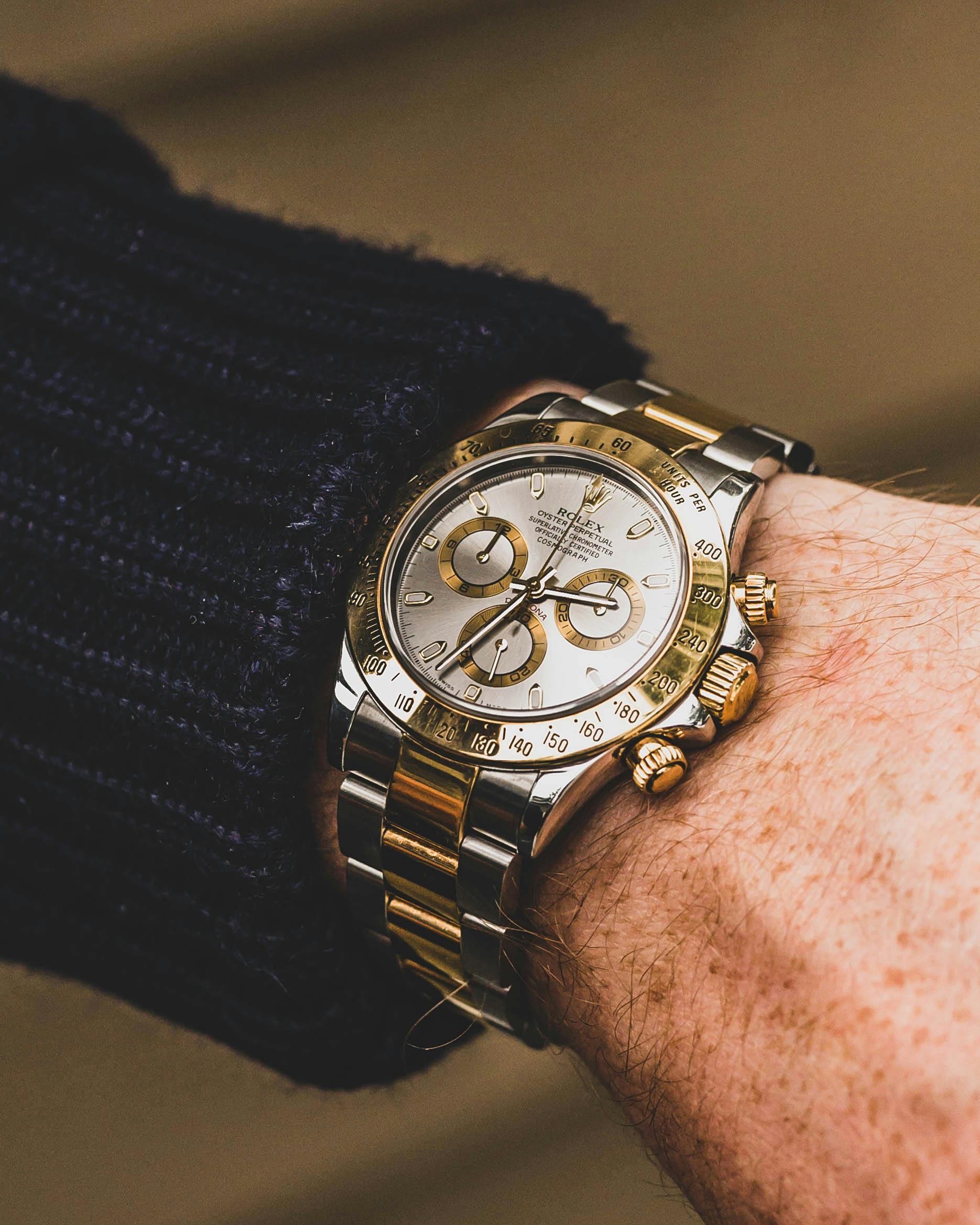
She'd listed her late husband's Rolex Daytona on Facebook Marketplace for R145,000—slightly below market value to sell quickly. Within hours, she had 30 messages. One buyer seemed perfect: professional, responsive, ready to pay immediately.
They met. He inspected the watch. Handed her a bank receipt showing the transfer. She gave him the watch.
The transfer was fake. The watch was gone. And she never saw that buyer again.
This is why selling a luxury watch isn't like selling a couch or a car. The stakes are higher. The scams are more sophisticated. And one wrong move can cost you tens of thousands of rand—or worse, your family heirloom.
After 73 years in this business, I've seen every possible way to sell a watch. Some work beautifully. Others are disasters waiting to happen.
This guide will show you all four options, exactly what to expect from each, and how to choose the right path for your situation.
Your Four Options for Selling a Luxury Watch in South Africa
Option 1: Sell to a Dealer (Instant Sale, Lower Price)
How it works:
You bring your watch to a reputable dealer (like us). They inspect it, provide an offer based on current market value, and if you accept, pay you immediately via EFT.
Typical offer range: 60-75% of market value
Timeline: Same day to 48 hours
Pros:
Instant payment (no waiting)
Zero risk of scams or fake payments
No effort required (no photos, listings, negotiations)
Professional authentication included
Fully legal and documented
Cons:
Lower return than private sale
Offer is non-negotiable (or minimally negotiable)
You're selling to someone who needs profit margin
Best for:
Urgent sales (need cash within 48 hours)
Risk-averse sellers who value safety over maximum price
Estate liquidations
Sellers who don't want the hassle of private sales
What to expect:
A reputable dealer will show you comparable sales data and explain how they arrived at their offer. If they don't, walk away.
Option 2: Private Sale (Higher Price, Higher Risk)
How it works:
You list your watch on platforms like Gumtree, Facebook Marketplace, or OLX. You handle photos, descriptions, negotiations, meetings, and payment verification yourself.
Typical sale price: 85-95% of market value
Timeline: 2 weeks to 3 months (sometimes longer)
Pros:
Highest potential return
You control the price and negotiations
Direct buyer-to-seller transaction
Cons:
High scam risk (fake payments, stolen watches, violent robberies)
Time-consuming (fielding inquiries, vetting buyers, arranging meetings)
No authentication support (buyers may doubt legitimacy)
Legal compliance is your responsibility
No guarantees you'll find a buyer
Best for:
Sellers with time to spare
Watches with strong demand (Rolex Submariner, Daytona, etc.)
Sellers comfortable with risk management
Scams to watch for:
Fake bank transfer receipts
"Instant payment" apps that reverse transactions
Buyers who want to meet in unsafe locations
"Interested buyers" who ask you to ship first
Overpayment scams ("I'll pay R150k, you refund R10k")
How to stay safe:
Meet at a bank and verify payment before handing over the watch
Never ship before receiving confirmed payment
Bring a friend or meet in public with security
Trust your instinct—if something feels wrong, walk away
Option 3: Consignment (Middle Ground)
How it works:
You leave your watch with a dealer or consignment shop. They list it, find a buyer, handle the sale, and give you a percentage (typically 80-90% of sale price).
Typical net to you: 80-90% of sale price
Timeline: 1-6 months
Pros:
Higher return than selling directly to a dealer
Dealer handles all marketing, authentication, and negotiations
Lower risk than private sale
Access to dealer's buyer network
Cons:
Longer wait time
No guarantee of sale
You don't get paid until it sells
Consignment fees reduce your net return
Your watch is out of your possession
Best for:
High-value watches (R100,000+) where the extra 10-15% matters
Sellers who aren't in a rush
Watches with niche appeal that need the right buyer
What to verify before consigning:
Consignment agreement in writing
Insurance coverage while in dealer's possession
Commission structure clearly stated
Timeline for payment after sale
What happens if watch doesn't sell
Option 4: Auction (For Rare or High-Value Pieces)
How it works:
You submit your watch to an auction house (Strauss & Co, Stephan Welz, or international houses like Christie's or Sotheby's). They authenticate it, include it in an auction catalog, and sell it to the highest bidder.
Typical net to you: 70-85% of hammer price (after auction fees)
Timeline: 3-6 months (auction cycles)
Pros:
Best option for rare, vintage, or extremely high-value pieces
Access to serious collectors and investors
Professional authentication and cataloging
Potential for bidding wars that drive price above estimate
Cons:
High fees (10-25% seller's commission)
Long timeline
No guarantee watch will meet reserve price
Only worth it for watches valued at R50,000+
Best for:
Vintage Rolex (Paul Newman Daytona, vintage Submariner with rare dial)
Patek Philippe complications
Limited edition or historically significant pieces
Not worth it for:
Common modern Rolexes (Datejust, Oyster Perpetual)
Watches under R50,000
Sellers who need money quickly
Legal Requirements: What You Must Know
Selling a luxury watch in South Africa isn't just a transaction—it's legally regulated.
Under the Second-Hand Goods Act, sellers must:
Provide valid South African ID
Sign documentation confirming legal ownership
Declare the watch's origin (purchased new, inherited, gifted, etc.)
Dealers must:
Be SAPS-registered
Keep records of all transactions for 5 years
Report suspicious transactions
Verify seller identity
Why this matters:
These laws protect both buyers and sellers from stolen goods. If you sell a watch privately and skip documentation, you could face legal consequences if the watch is later reported stolen (even if you didn't know).
Always:
Keep receipts and documentation
Work with SAPS-registered dealers
Get written agreements for consignment or private sales
How to Maximize Your Return (Regardless of Which Option You Choose)
1. Get your documentation together
Box, papers, receipts, service records—these can add 10-30% to value. Find them before listing or selling.
2. Clean the watch (but don't polish it)
A clean watch photographs better and shows better in person. Use a soft cloth and mild soap. Don't polish or service it unless it's not working—you won't recoup the cost.
3. Research current market value
Check Chrono24 sold listings (not asking prices). This gives you realistic expectations and helps you spot lowball offers.
4. Take high-quality photos
Good lighting, clean background, multiple angles. Show the dial, case, caseback, bracelet, clasp, and any markings. Blurry photos = lower offers.
5. Be honest about condition
Overstating condition backfires when the buyer sees it in person. Understating it leaves money on the table. Be accurate.
6. Time your sale strategically
Luxury watch prices fluctuate. If your model is currently out of favor, waiting 6-12 months might yield a better return (if you're not in a rush).
The One Decision That Changes Everything
Here's what most sellers don't realize:
The option you choose should be based on your timeline and risk tolerance, not just the potential return.
Ask yourself:
How quickly do I need the money? (If immediate, sell to a dealer)
Am I willing to wait 2-3 months for an extra R10,000-R20,000? (If yes, consignment or private sale)
Can I handle the stress of vetting buyers and managing scam risks? (If no, avoid private sales)
Is my watch rare enough to justify auction fees and timelines? (If yes, consider auction)
There's no "best" option—only the best option for your situation.
What to Do Right Now
You now know the four ways to sell a luxury watch in South Africa, what each involves, and how to choose.
If you need money immediately:
Selling to a reputable dealer is your best bet. The 60-75% offer might feel low, but the speed, safety, and zero effort make it worthwhile.
If you have time and want maximum value:
Private sale or consignment can yield 10-20% more—but only if you're willing to manage the risk and effort.
If your watch is rare or high-value:
Contact auction houses for valuations. They'll tell you if auction is worth pursuing.
If you're unsure which path to take:
Get a professional valuation first. That gives you a baseline to compare all options against.
Ready to Sell Your Watch the Right Way?
We've been buying luxury watches in South Africa since 1951. Whether you're selling to us directly, consigning, or just want a transparent valuation to inform your decision, we're here to help.
Get your free valuation in 24 hours:
Or reach out directly:
WhatsApp: 078 603 8717
Email: jhbjewelersandwatchmakers@gmail.com
Key Takeaways
Selling to a dealer offers 60-75% of market value but guarantees instant, safe payment—best for urgent sales.
Private sales can yield 85-95% of market value but come with significant scam risks—only pursue if you have time and risk tolerance.
Consignment offers 80-90% of sale price and reduces risk—good middle ground for non-urgent sales.
Auction is only worth it for rare, high-value pieces (R50,000+)—fees and timelines make it impractical for common models.
Legal compliance matters—always work with SAPS-registered dealers and document transactions.
There's no single "best" option—choose based on your timeline, risk tolerance, and price goals.
About the Author
This guide was written by the team at JHB Jewellers & Watchmakers, South Africa's most trusted buyers of Swiss-made luxury watches since 1951. We've facilitated thousands of watch sales across Johannesburg, Pretoria, and Sandton—and we believe every seller deserves to understand their options before making a decision.

Ready to Get Your Free Valuation Today?
No obligation. No pressure. Just a fair offer backed by 7+ decades of trusted service.